
How to Get Ilotbet Promo Code in Nigeria
🎯 Discover how to find and use genuine Ilotbet promo codes in Nigeria. Grab bonuses, discounts, and special offers to boost your betting wins every time! ₦
Edited By
Yemi Fashola
With digital payments becoming part of daily life in Nigeria, knowing how to move money into your OPay wallet is a handy skill. OPay is a popular mobile wallet trusted by millions, used for paying bills, transferring funds, and making purchases. But before you start withdrawing money into your wallet, it helps to understand the main steps and options available.
First, make sure your OPay account is fully set up and verified. You will need a valid phone number linked to your bank account or card. Without verification, withdrawal transactions can hit roadblocks due to Nigeria’s strict financial regulations, especially those enforced by the Central Bank of Nigeria (CBN).
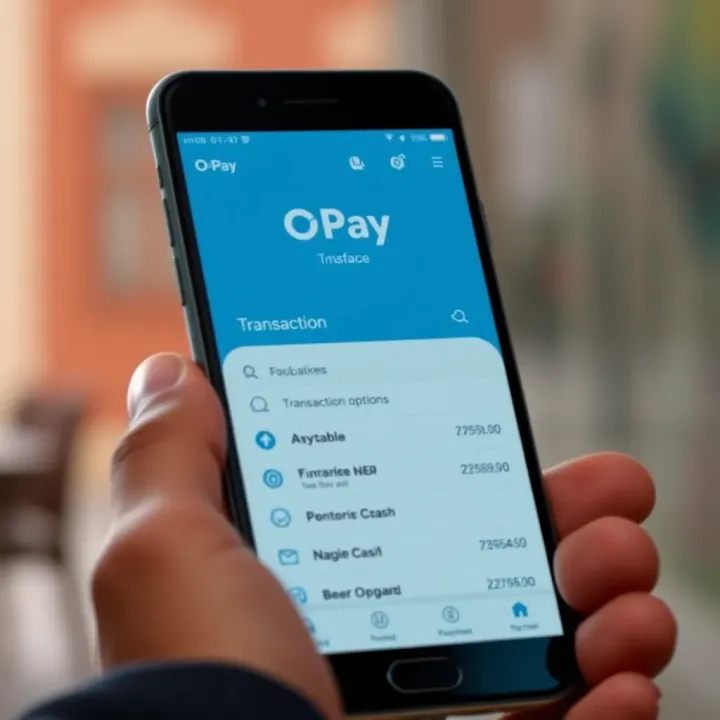
Next, consider the ways money can get into your OPay wallet. Most people either transfer from their bank accounts using USSD codes or bank apps or receive transfers from other OPay users. Cash deposits at authorised OPay agents remain a convenient option if you prefer handling physical cash.
Remember, always double-check the account details and amounts when initiating transactions to avoid delays or loss. Nigerian banks and digital platforms usually have strict timelines for transaction reversals.
Here are common withdrawal methods to fund your OPay wallet:
Bank transfer (via USSD or mobile app): Use your bank’s USSD code or app to send money to your OPay account number.
Agent deposit: Visit an OPay agent near you and deposit cash directly into your wallet.
Peer-to-peer transfer: Receive funds from friends or family with their OPay wallets.
While transferring, always confirm your transaction limits and charges. Some banks or platforms may charge ₦50 to ₦100 per transfer, so factor this in if you transfer large sums regularly.
Once money lands in your OPay wallet, you can easily pay for utilities, buy airtime, or send money elsewhere. But if you’re new to the system, being clear about the withdrawal process keeps you safe from fraud and errors.
The next sections will walk you through each withdrawal method carefully, helping you avoid common pitfalls and use your OPay wallet seamlessly in Nigeria’s fast-growing fintech environment.
Getting to know OPay and how you can withdraw money from it is key to making the most of this popular digital wallet in Nigeria. OPay serves millions of users who rely on it not only for sending and receiving money but also for paying bills, buying airtime, and even accessing loans. Understanding its withdrawal options saves you time and avoids unnecessary fees, making your financial transactions smoother.
OPay is a mobile-based payment platform designed to simplify daily financial activities for Nigerians. It's like having a bank in your phone, allowing you to deposit, withdraw, and transfer money instantly. Users create an OPay wallet linked to their phone number and can fund this wallet through various channels. Once you have funds in your OPay wallet, you can pay for services, shop online, or withdraw the money back to your bank or in cash through agents.
One straightforward way to add money to your OPay wallet is through bank transfers. Most Nigerian banks support transfers to OPay accounts, allowing you to move funds directly from your bank app or USSD interface to your OPay wallet. For example, if you use GTBank or Access Bank app, you can initiate a transfer to your OPay wallet’s bank account number. This method is reliable and often free or less costly compared to other options. It suits those comfortable using online banking or with easy access to their bank accounts.
Mobile money services like MTN Mobile Money or Airtel Money also serve as funding sources for OPay wallets. This method caters especially to users in areas with limited bank access but who use mobile network operators for financial transactions. By transferring mobile money to your linked OPay wallet, you avoid the hassle of going through traditional banks. It’s great for quick cash flows between your mobile money account and your digital wallet, facilitating payments or transfers within minutes.
Agent cash-in provides a physical touchpoint for users to deposit cash directly into their OPay wallets. Nigeria has thousands of OPay agents located in markets, malls, and neighbourhoods, ready to assist you with cash deposits. This option is practical when you prefer handling hard cash or don’t have immediate digital access. Agents verify your identity and credit your wallet instantly, often without extra charges. For instance, if you're at a local market in Lagos, you can walk up to an OPay agent, hand over cash, and have your wallet funded within minutes.
Peer-to-peer (P2P) transfers allow users to send funds directly between OPay wallets. This channel is incredibly handy within social circles or small businesses, where you can receive money from friends or customers instantly. Say you’re running a small roadside food stand and accepting digital payments; customers can send money straight to your OPay wallet without involving banks or agents. P2P makes everyday transactions seamless and quick, fitting Nigeria’s informal and largely cash-based economy.
Knowing your options to add funds to OPay ensures you can fund your wallet conveniently whenever you need it, whether you’re tech-savvy or prefer traditional cash methods.
Understanding these channels expands your flexibility and control over your finances, a useful insight before you start withdrawing money from OPay.

Getting your OPay account ready for withdrawals is a key step before moving any money. You need to ensure your account is active, verified, and linked correctly to avoid delays or failed transactions. Many Nigerian users face hiccups when they overlook some basics, like proper identity verification or bank linking. Taking care of these saves you unnecessary stress later.
Verification confirms your identity, making your OPay wallet eligible for withdrawals. Without it, you risk limits on how much you can withdraw or even loss of access. To verify, you will usually need to provide a valid means of identification such as your National Identification Number (NIN) or driver's licence. OPay prompts you to upload a clear photo of your ID and sometimes a selfie to match your face with your ID.
The process is straightforward but must be done carefully. For example, blurry pictures or mismatched names can lead to rejection. Once verified, your account enjoys extended features, including higher withdrawal limits and access to more withdrawal options. Verification also protects you against fraud, ensuring only you can move money.
Linking your bank account to OPay is necessary for transferring funds in or out. This connection allows withdrawals to go directly to your preferred bank. Most major Nigerian banks like GTBank, First Bank, Access Bank, and Zenith Bank, among others, are supported.
To link, log in to your OPay app, navigate to the wallet or bank accounts section, and add your bank details - account number and bank name. Double-check the numbers to avoid mismatch. For instance, entering an incorrect account number means your money could go somewhere else, causing delays and frustration.
Having your bank account linked also allows smoother handling of refunds or reversals, should you face any issues during withdrawal. Plus, it speeds up transactions compared to other offline methods.
Always keep your details updated in OPay. Changes in your bank account or phone number should be reflected promptly in the app to prevent disruptions.
Preparing your OPay account well helps you enjoy hassle-free withdrawals and keeps your funds secure in Nigeria's fast-moving digital payment world.
Knowing how to move money into your OPay wallet is key if you want to use this platform for paying bills, sending money to friends, or betting online. This guide breaks down the main ways to fund your wallet, making it easy even if you're new to mobile payments. That way, you avoid delays and get your funds ready quickly.
Starting a transfer from your bank to OPay is one of the most straightforward methods. Whether you use a mobile banking app or USSD, simply select the option to transfer funds and enter OPay’s account details. This way, you can fund your wallet directly from your bank account without visiting a physical branch. For instance, if you bank with GTBank or Zenith, their apps allow you to make these transfers hassle-free anytime.
Once you send the money, verifying its arrival in your OPay wallet is essential. Log into the OPay app and check your wallet balance or transaction history to confirm the credit. This step ensures your transfer was successful and that your wallet is ready for use. If the amount isn’t showing after some minutes, it may be good to double-check the transaction reference or contact support.
Dialling the right USSD code is a quick way to add money without internet access. OPay provides specific USSD codes for linking your bank account to your wallet. For example, dialing *970# or another OPay code lets you begin the funding process directly from your phone’s dialler.
After dialling the code, you’ll enter transaction details such as your bank, amount, and wallet number. Inputting these correctly is vital to avoid errors during the transfer. This method suits anyone without smartphone access or spotty connectivity but still needing to fund their OPay wallet instantly.
Finding a nearby OPay agent is handy when you prefer using cash or your bank transfer faces delays. OPay agents usually operate from kiosks or shops across Nigerian cities and towns. The app itself can guide you to the closest agents based on your location, saving time looking around.
When you reach an agent, completing your deposit involves handing over the cash and providing your OPay account information. The agent confirms the amount and processes the transaction, after which your wallet balance updates—typically within minutes. This option is convenient for people who distrust online transactions or don't have active bank accounts but still want to use OPay efficiently.
Remember, choosing the right funding method depends on your access to banking services and comfort with digital tools. OPay offers versatile ways to keep your wallet topped up so you can stay in control of your money wherever you are.
Navigating withdrawal issues on OPay can sometimes be frustrating, especially when funds don’t move as expected. This section helps you identify and fix common problems while withdrawing money, ensuring your experience stays smooth. Knowing how to troubleshoot saves time and prevents unnecessary fuss, keeping your money accessible without stress.
Transaction delays are a frequent concern among OPay users. These delays can occur due to network congestion, peak periods like ember months, or temporary glitches on the platform. For example, your withdrawal could take longer if the IGF (Interbank Settlement System) is slow or if your linked bank experiences downtime. In such cases, reviewing your transaction status through the OPay app or your bank statement helps confirm whether the money is still in transit.
To deal with delays, avoid repeating the withdrawal immediately as multiple transactions could cause double deductions. If the delay lasts beyond 24 hours, gathering your transaction details and reaching out for support is sensible. Meanwhile, double-check your internet connection and app updates, as outdated versions sometimes stall transactions.
Failed deposits occur when the amount doesn’t reflect in your OPay wallet after a transfer or agent cash-in. This can result from incorrect account details, network failures, or agent errors. Suppose you tried to add ₦5,000 via an agent, but it hasn't shown in your wallet after the usual few minutes. First, verify the transaction receipt from the agent and confirm the wallet number punched.
If details were incorrect, the money might return to your bank, but this can take hours or days. For transfers with proper details, the issue often lies with network intermediaries. In such a case, saving proof of payment, like a bank alert or agent receipt, is crucial. Using such evidence, you can lodge a complaint with OPay to trace and resolve the failed deposit.
When all else fails, reaching out to OPay support is the next best step. OPay provides multiple contact channels including their in-app support chat, dedicated WhatsApp line, and social media handles. Having your transaction ID, date, amount, and method ready expedites the process. It’s best to communicate clearly, stating the problem with all relevant details.
Remember, OPay support may take some time to respond during peak periods, so patience helps. Meanwhile, avoid sharing sensitive details like your PIN or full bank details online. If you prefer, visiting a physical OPay agent for assistance can sometimes be quicker.
Many unsuccessful transactions can be resolved by careful verification and knowing when to seek help. Always keep transaction records handy and monitor your accounts regularly.
By mastering these troubleshooting steps, you reduce the risk of losing funds and increase your confidence using OPay for withdrawals in Nigeria.
Using OPay for withdrawals in Nigeria comes with responsibilities. Following best practices helps you avoid common pitfalls, protect your funds, and save on unnecessary fees. This section covers key steps to keep your account secure, understand fees, and prevent errors.
Security starts with strong login credentials. Choose a unique password for your OPay account, avoid using easily guessable details like your birthday or phone number. Change your password regularly to block unauthorized access. Also, enable two-factor authentication (2FA) if available — this adds an extra layer of protection by requiring a code sent to your phone for every login.
Be wary of phishing attempts. Never share your OPay PIN or password with anyone, even if the request appears to come from OPay support. Real agents will never ask for sensitive data via phone or email. Always update your OPay app through official sources like Google Play Store or Apple App Store to receive security patches promptly.
OPay charges fees for certain transactions, including withdrawals and transfers, though some transactions might be free depending on your account type or promotional offers. Before withdrawing, check the exact fee percentage or fixed charge displayed in the app. For example, a ₦100,000 withdrawal might attract a ₦200 flat fee or a 0.5% transaction charge.
Knowing the fees upfront helps avoid surprises. Some third-party agents or banks might also add charges when you withdraw money funded from OPay. It’s wise to compare these costs across different withdrawal methods like direct bank transfers, agent cash-outs, or USSD codes, to pick the most cost-effective option.
Mistakes during withdrawal can cause delays or lost funds. Always confirm the recipient bank account number before proceeding, as reversing transactions on wrong accounts can take time or be impossible.
Double-check transaction details such as amount and destination before confirming withdrawal. OPay transactions are often irreversible, so a small typo can cause major headaches.
Avoid withdrawing large sums all at once if you’re uncertain about transaction limits or fees. Instead, break the amount into smaller withdrawals to reduce the risk of failure or additional charges.
If the app shows your balance isn’t updated immediately after withdrawal, give it a few minutes; sometimes, network issues cause delay in reflecting the transaction.
Remember: A secure and smooth withdrawal to your OPay wallet depends on your vigilance. Regularly update your app, watch out for scams, and always check fees to keep your money safe and your transactions hassle-free.
By adopting these best practices, you’ll enjoy efficient withdrawals while protecting your funds and avoiding common traps faced by many Nigerian OPay users.
🎯 Discover how to find and use genuine Ilotbet promo codes in Nigeria. Grab bonuses, discounts, and special offers to boost your betting wins every time! ₦

🎮 Discover Predictor Aviator's gameplay, local strategies, payment options, and legal insights. A practical guide for Nigerian players ready to play smart and stay informed.
🎯 Learn how to register and verify your iLotBet account quickly! Our guide for Nigerian bettors covers all steps, safety tips, and common sign-up issues to get you started confidently.⚽
Discover how to register on Ilotbet, fund your account, and place winning bets easily. Get practical tips to enjoy sports betting smoothly in Nigeria! ⚽💰
Based on 5 reviews